Bridging the Brain and Behavior at the UNC Neurocognition and Imaging Research Lab with Misha Grdzelishvili

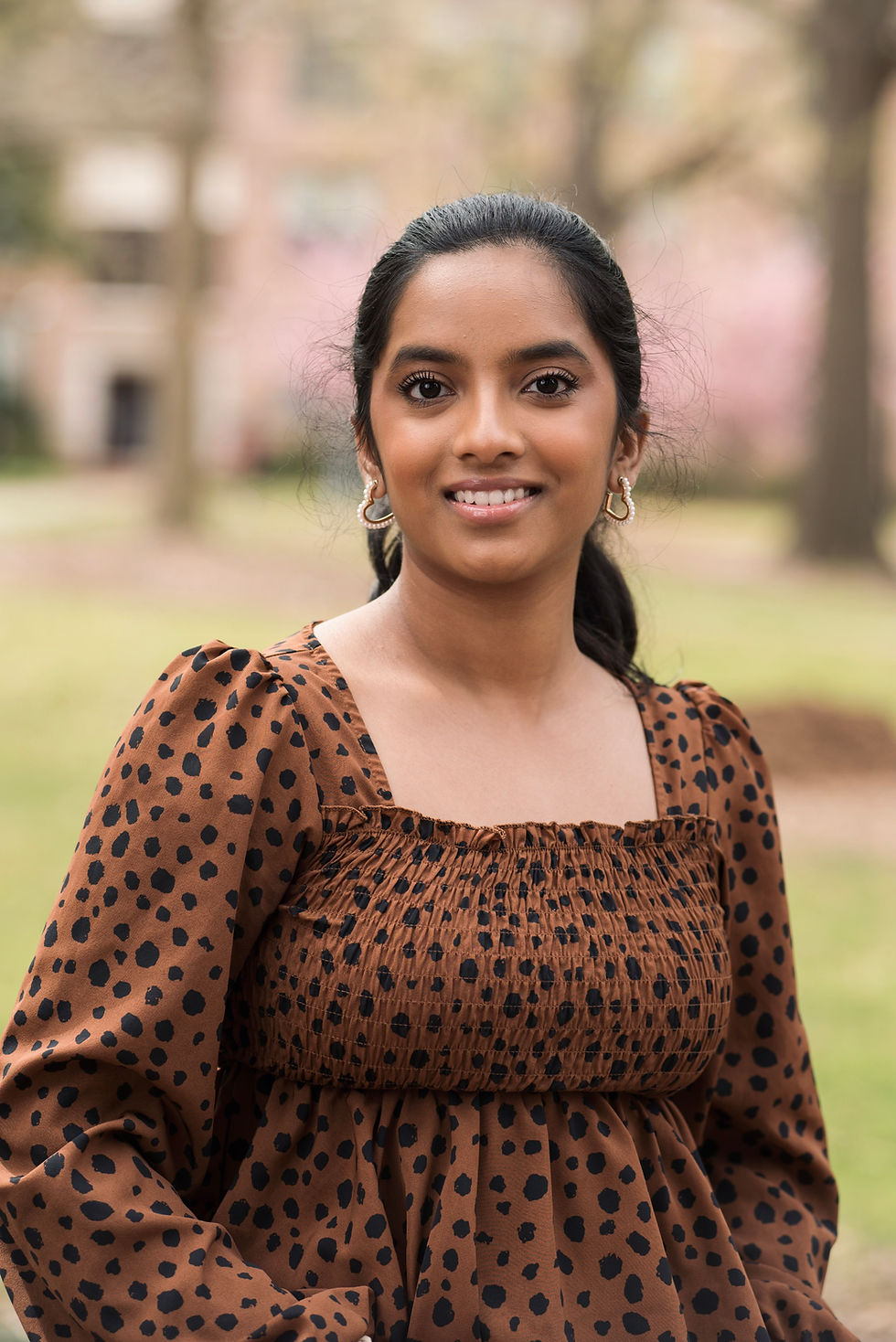
Hello! My name is Misha Grdzelishvili, and I am a senior from Harrisburg, North Carolina majoring in Psychology (B.S.) and minoring in Neuroscience. I plan to pursue a PhD in clinical psychology. This Fall 2026 semester, I am interning at the UNC Neurocognition and Imaging Research Lab (NIRL) under Dr. Aysenil Belger, where research is conducted on the functional anatomy of the human brain and how the breakdown of neural circuits leads to the onset of neuropsychiatric and neurodevelopmental disorders.
My interest in behavioral neuroscience began when I was in high school and read The Joy of Living: Unlocking the Secret and Science of Happiness, written by Yongey Mingyur Rinpoche, a Buddhist teacher, in collaboration with neuroscientists at the Waisman Laboratory for Brain Imaging and Behavior at the University of Wisconsin-Madison. This was my first introduction to behavioral neuroscience, and it was fascinating for me to learn about traditional meditation practices that overlapped with modern neuroscience research. Ever since reading the book, I have been interested in researching the biological mechanisms that are involved in the brain and how they lead to neuropsychiatric and neurodevelopmental disorders.
I started my first research position in the summer of 2024 at the National Institute of Environmental Health Sciences (NIEHS) as a part of the NIH Summer Internship Program, where I gained hands-on experience in a wet lab and got to examine the difference between the brains of mouse models of Parkinson’s disease and control mice. This experience was intimidating as someone with little research experience, but it showed me how much care goes into trying to answer one research question.
Although this experience at the NIEHS was very motivating for me to continue to conduct research, I knew I wanted to study something in a more clinical setting that could give me a different perspective. I joined Dr. Abramowitz’s Anxiety Lab, which studies the nature and treatment of clinical anxiety and related disorders. While my research at the NIEHS helped me better understand the biological mechanisms of the brain, my research in Dr. Abramowitz’s lab has helped me understand how mental disorders can affect people in the real world.
Working in both of these research settings made me realize something. More neuroscience-heavy research that focuses on animals can help explain what processes occur in the brain, but it’s not the best for understanding what a person is actually experiencing. More clinically focused research can capture the human experience but can’t always explain the biological mechanisms that are going on. My desire to understand the intersection of these two led me to Dr. Belger’s Neurocognition and Imaging Research Lab. Being able to use neuroimaging to study mental disorders allows me to connect brain function to human behavior and clinical symptoms.
At the NIRL, I’ve gotten to be involved in the lab in a much bigger way than I could have imagined. My first few weeks in the lab consisted of me attending weekly lab meetings where I got to learn about the many projects currently going on in our lab, reading through scientific literature on early life adversity and its relationship with the hippocampus and amygdala, and checking in with Dr. Belger and other members of the lab to discuss the possible data sets I could analyze for my main project.
Our lab also has two main projects going on right now: the Pathways to Adolescent Success Study (PASS) and the Stress Trajectories and Anhedonia in Adolescence Research Study (STAARS). The main goal of PASS is to understand how the brain and behavior of adolescents with symptoms of anxiety develop over time. The main goal of STAARS is to examine how stress responses in adolescents interact with the onset of anhedonia, the reduction and loss of ability to experience pleasure.
For my current main project in the lab, I will be examining the associations between polyvictimization in adolescents and their hippocampal volume. Reading through the different related literature on this topic has made me really excited for what findings I might come across once I have completed my data analysis. Beyond this project, I’ve also shadowed both the PASS and STAARS imaging visits that take place at the Biomedical Research Imaging Center on the UNC School of Medicine campus. Besides shadowing these visits, I’ve also gotten trained on processing saliva samples of participants and assisting as a Trier Social Stress Test panelist for STAARS. Additionally, I’ve been able to discuss relevant papers to my project with my peers during lab meetings.
Getting to interact with a lab this size has given me the ability to really strengthen my interpersonal skills, which I value greatly since I understand how important it is to collaborate with many different individuals and researchers while in graduate school. I am also extremely grateful to Dr. Belger and everyone else in the lab, who have gone out of their way to make me feel comfortable as a new member of the lab and given me many opportunities to get involved as much as possible in the NIRL. I hope to continue to conduct research in this lab until I graduate in the spring and am looking forward to what my future holds.
I am very grateful for all of the opportunities that have come out of becoming a Gil Intern and want to give a big thank you to Richie Gray and Dr. Steven Buzinski for making this experience a possibility. Their guidance and support have been wonderful and I am very excited to continue the rest of my semester as a Gil Intern!


Comments